
Approximate Reading Time: 8 Minutes
In Partnership with Clever Choice Flooring
Do you need help deciding what hard flooring to install in your home but don’t want the trouble that can come from maintaining timber? Vinyl and Laminate flooring are the usual go-tos, but what if we told you there was an option that offered the best of both worlds?
The Floorworld Blog Team recently spoke with Michael Roberts and Greg Harvey, General Manager and Queensland Sales Manager at Clever Choice Flooring, respectively. In the meeting, we discussed all things hybrid flooring. We collated them all in this article to hopefully inform you about the options you have for your next flooring renovation.
What is Hybrid Flooring?
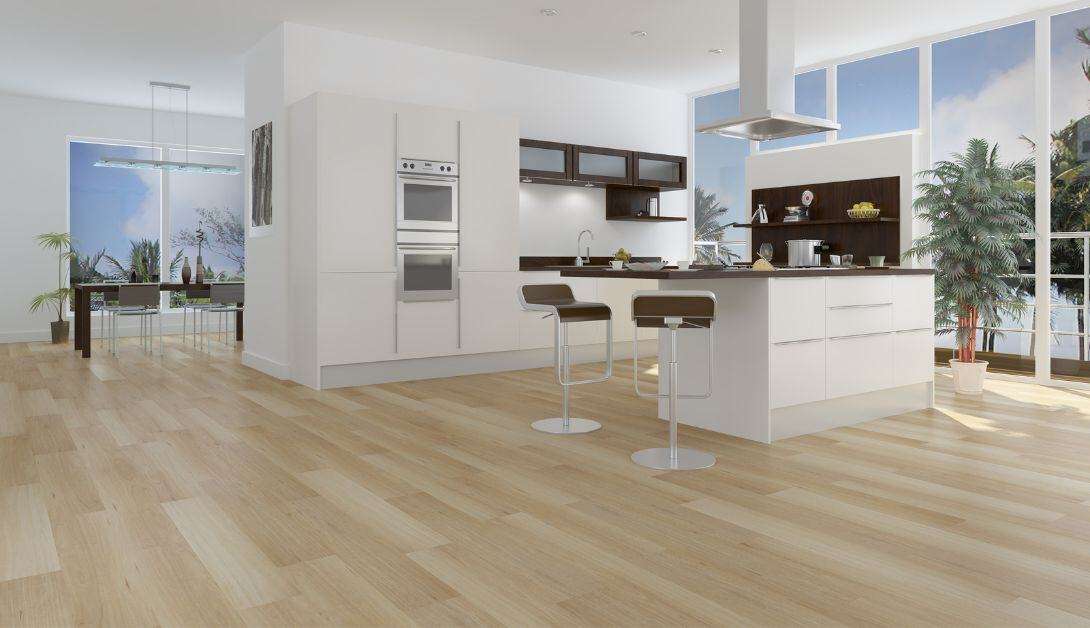
Hybrid flooring is an innovation that combines the best features of vinyl and laminate flooring. If you’re familiar with these types of flooring, you’ll know that vinyl is known for its water resistance and durability, while laminate is appreciated for its ease of installation, which is often laid as a floating floor. Hybrid flooring brings these qualities together, giving you a product that is both hardwearing and has the benefits of floating floor installs.
At the heart of hybrid flooring is its core, which can be made from various composites but is most commonly either stone plastic composite (SPC) or wood plastic composite (WPC). The difference between the two lies in their composition. SPC flooring has a stone plastic core, which combines the stone and plastic to create a strong, durable core. On the other hand, WPC flooring has a similar core structure but with a vinyl wear layer on top, providing an additional layer of protection.
Why Choose Hybrid Flooring?
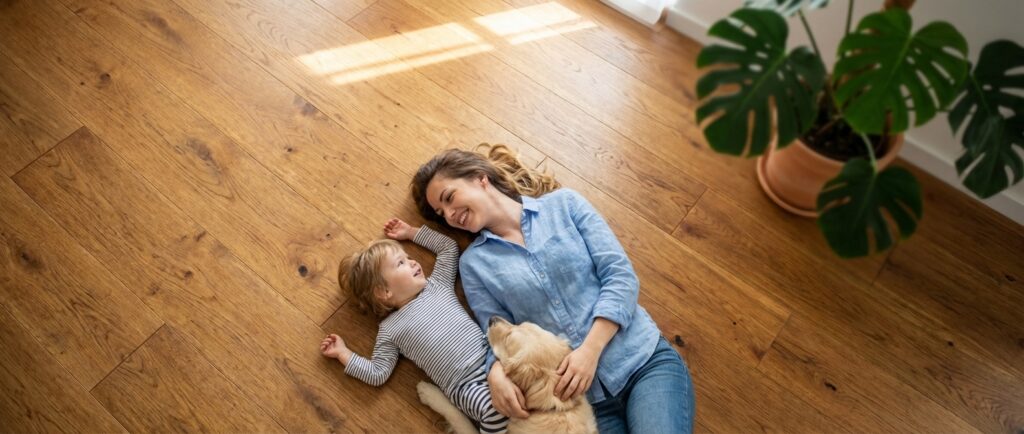
Hybrid flooring offers a lot in a single package. First and foremost, its water-resistant properties make it a superior choice over traditional laminate flooring, which can suffer in moist environments if not dealt with quickly. This feature alone makes hybrid flooring a great choice for families with kids or pets, where spills and accidents are likely to occur.
Cleaning hybrid flooring is a breeze. It can handle the demands of an active household, allowing you to maintain a clean home without too much effort. Another significant advantage is that it mimics the appearance of natural timber or stone at a fraction of the cost, making it an attractive option for those who want the aesthetic of wood without the hefty price tag.
However, it’s important to note that hybrid flooring is still an artificial product. While it closely resembles real timber, it’s not 100% the same and cannot be resurfaced, resanded, or easily replaced if damaged.
Clearing Up Common Misconceptions
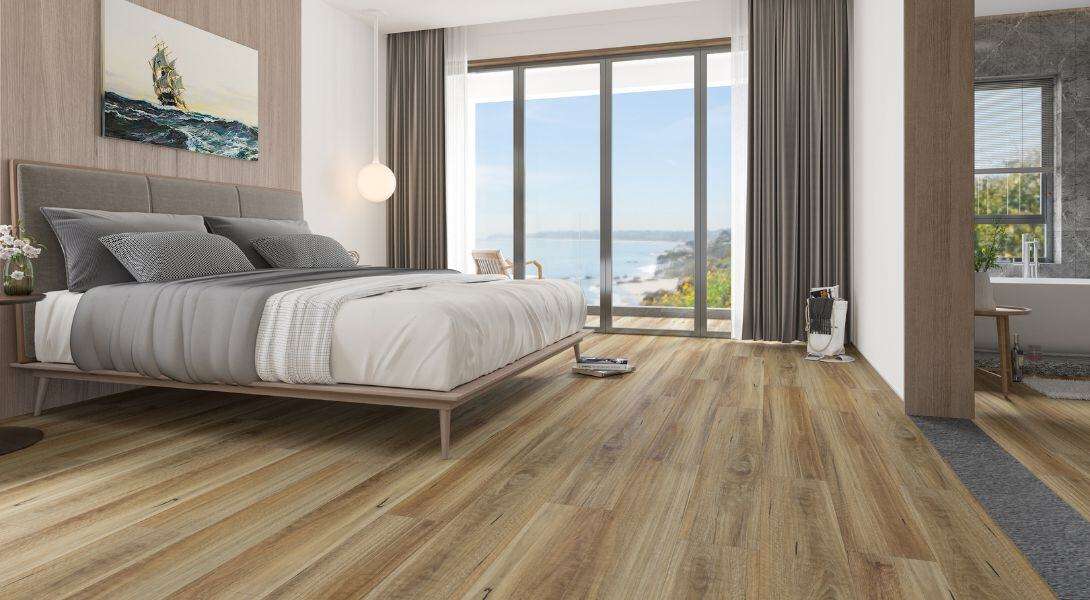
There are a few misconceptions about hybrid flooring that often arise in conversations with customers. One of the biggest is the belief that it requires little to no floor preparation before installation. Some people think it can be laid over just about any surface, but this isn’t entirely true. Proper preparation is crucial for all flooring installations; hybrid is no different. Without ensuring a professional and thorough installation, you may find yourself with issues down the road.
Another misconception is about the thickness of hybrid flooring. While thicker laminate flooring might not offer additional benefits, thickness can be an important factor with hybrid flooring. A thicker product often results in better joint strength and overall durability, making it worth considering if you want your floor to stand the test of time.
Lastly, while hybrid flooring is water-resistant, it’s not entirely waterproof. This is because it can’t be moisture-sealed like some other flooring types can be, so it’s essential to manage expectations in this regard and still deal with moisture promptly to maintain the life of your floors.
How Does Hybrid Compare to Other Flooring Types?
When you’re considering flooring options, it’s easy to get overwhelmed by the many choices. Let’s break it down in a way that’s simple and relatable.
Hybrid Flooring vs. Vinyl
Many people choose vinyl flooring because of its water resistance and affordability. However, vinyl tends to follow the imperfections of the subfloor, so if you have a floor with dips or bumps, it will show.
Hybrid flooring, on the other hand, offers a more forgiving surface. Thanks to its rigid core—whether it’s SPC or WPC—hybrid flooring lays flatter, hiding those little imperfections better than vinyl can.
Moreover, while both are water-resistant, hybrid flooring often goes a step further by providing additional durability. This means you’re getting the water resistance of vinyl plus a tougher surface that can handle more wear and tear.
Hybrid Flooring vs. Laminate
Laminate has been a household staple for years, partly because it mimics the look of timber at a fraction of the cost. In addition, it is relatively easy to install.
However, laminate has a weakness—moisture. If installed in a kitchen or bathroom, moisture-prone areas might warp or swell your floors over time.
This is where hybrid flooring really shines. It brings together the easy installation of laminate with the water-resistant properties that laminate lacks. So, you get the best of both worlds—a simple floor to lay down and handle the occasional spill without becoming a problem.
Hybrid Flooring vs. Timber
Timber floors bring a natural warmth and elegance to a space, and they can be resurfaced to look new again after years of use. However, maintaining this requires significant maintenance over the years and can be quite an investment.
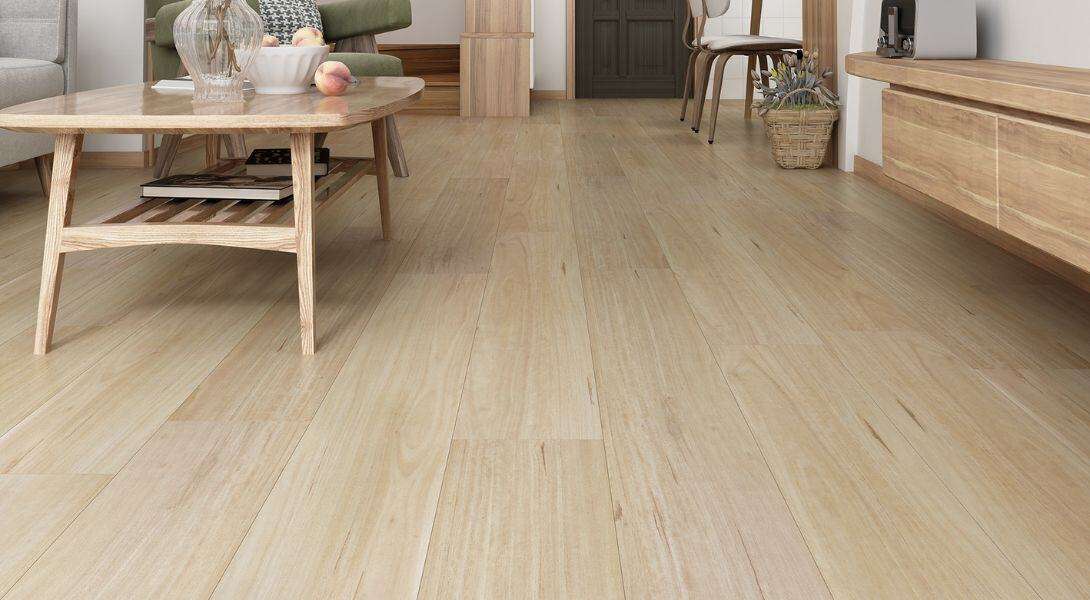
While hybrid flooring doesn’t quite match the authenticity of natural wood, it offers a pretty impressive alternative. It’s designed to replicate the timber look, complete with realistic textures and colours. Plus, you don’t have to worry about scratches, moisture, or the high maintenance that comes with hardwood. It’s a practical option for busy households that still want that warm, wood-like appearance without the extra work or expense.
Hybrid Flooring vs. Tile
Tile is another option loved for its durability and water resistance, especially in bathrooms and kitchens. However, tiles can be cold and uncomfortable underfoot, and they often require more effort in terms of installation and maintenance. Grout lines can get dirty, and if you drop something heavy, tiles can crack, leading to costly repairs.
Hybrid flooring offers the durability and water resistance you’d expect from tile but with a softer, warmer feel underfoot. It’s also much easier to install, with no grout lines to worry about. If you choose a good-quality hybrid floor, it can even mimic the look of tile without the downsides.
Hybrid Flooring vs. Carpet
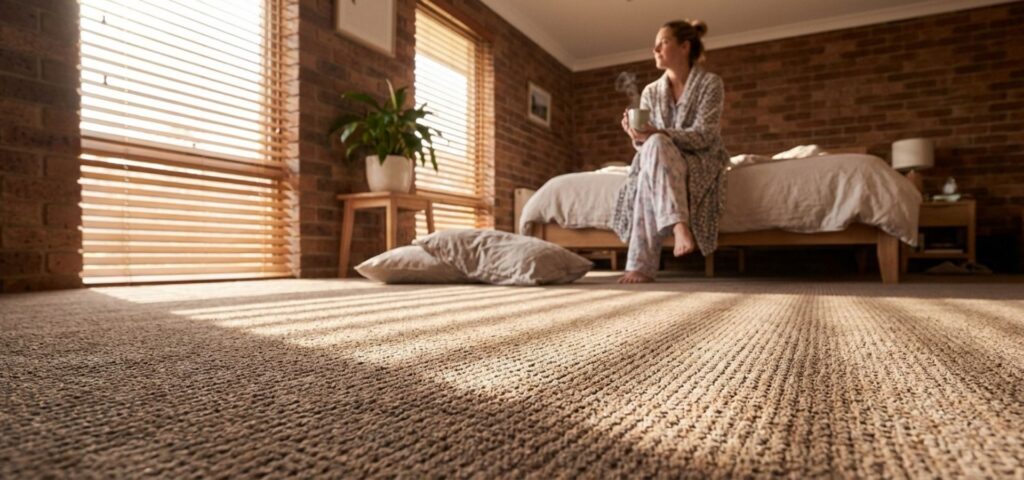
Carpet is all about comfort—it’s soft, warm, and quiet underfoot, making it a popular choice for bedrooms and living areas. But as much as we love the coziness of carpet, it’s not the best choice regarding durability and maintenance, especially in homes with pets or kids. Stains, wear, and tear can quickly take a toll on a carpet, making it look old and tired.
While not as plush as carpet, hybrid flooring offers a much more durable and easy-to-clean surface. It’s perfect for high-traffic areas where carpets might struggle and resistant to stains and scratches. If you still crave that soft feeling underfoot, you can always add rugs or mats, which are easier to clean or replace than an entire carpeted floor.
Designing with Hybrid Flooring
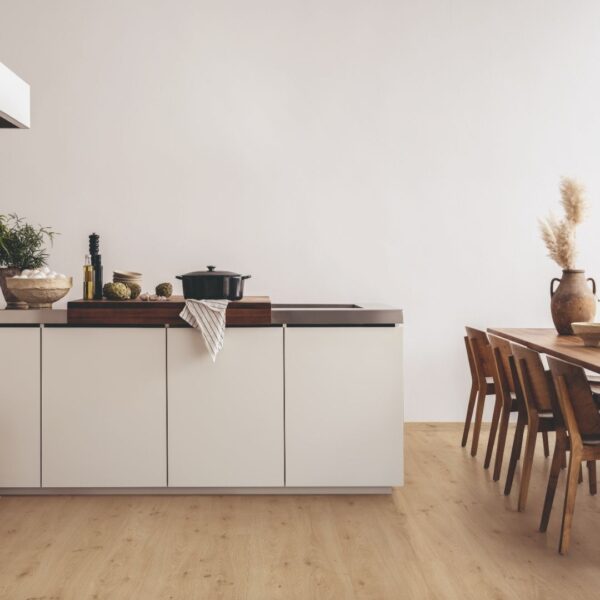
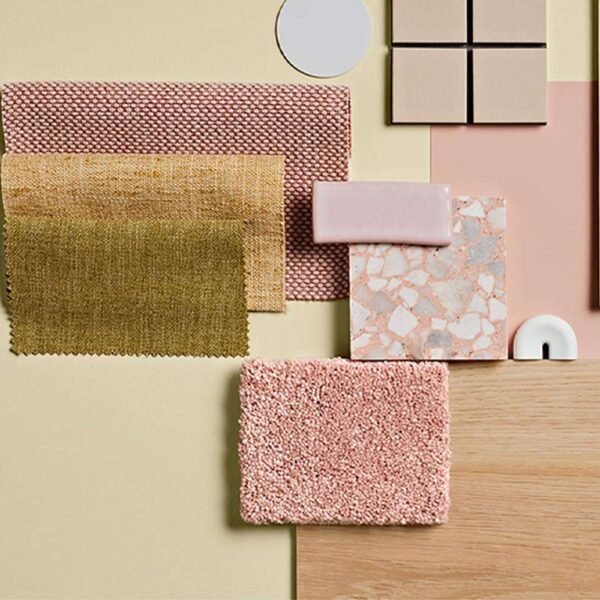
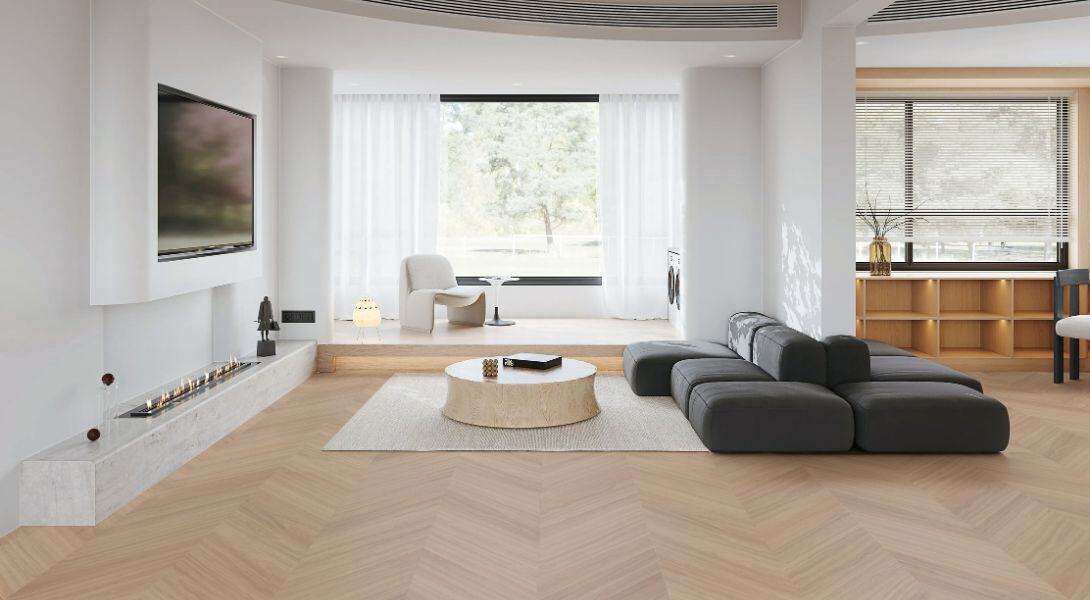
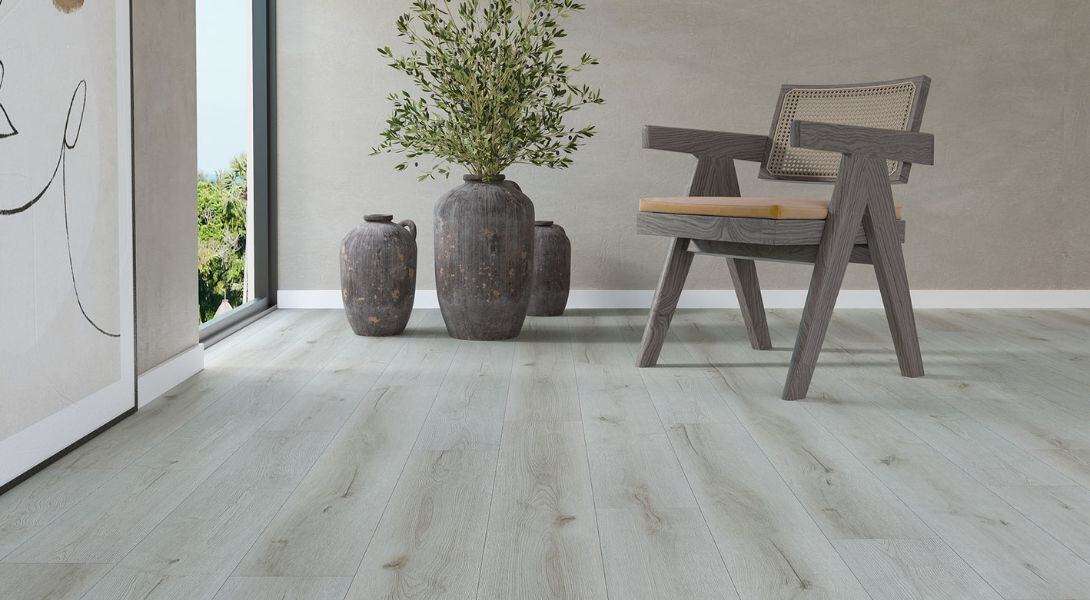
When it comes to design, hybrid flooring has made significant progress and can suit any style you desire. It comes in various styles, offering both natural and artificial materials and patterns, including chevron and herringbone designs. Compared to traditional timber, it provides a neater finish with fewer knots and less colour variation.
Design trends are shifting towards more matte finishes, with gloss levels significantly reduced compared to a few years ago. If you prefer a more natural look, timber tones, especially Australian species and oaks, are currently popular and always available with hybrid flooring being, unaffected by seasonal supply issues.
Want more design tips? Check out our Flooring Essentials Series: The Ultimate Guide to Flooring Interior Design Trends
Hybrid Flooring Installation Tips
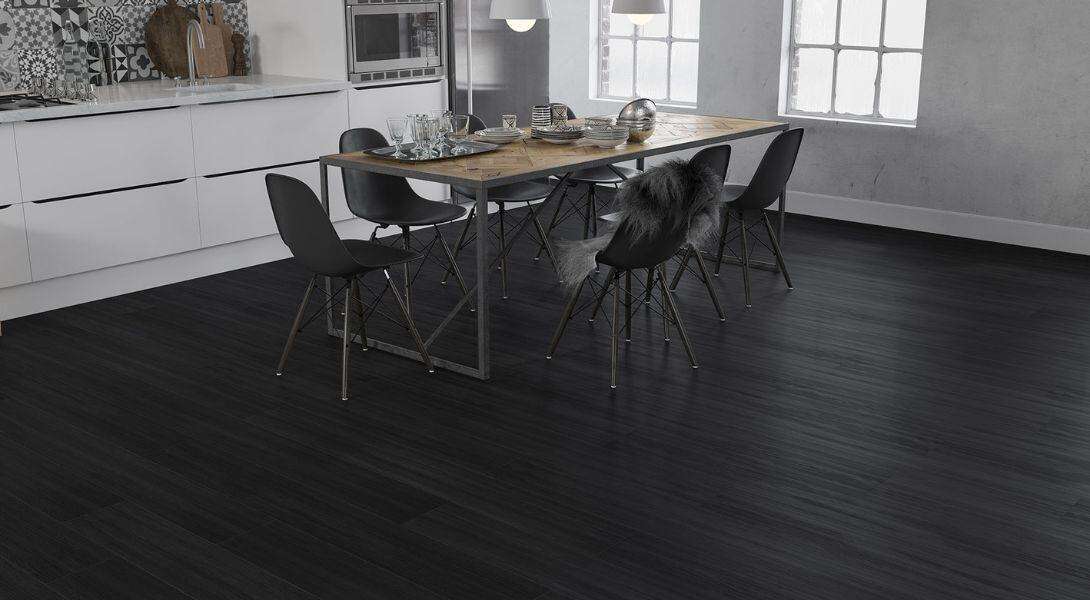
One of the main advantages of hybrid flooring is its easy installation. It is designed as a floating floor, meaning it does not require gluing or nailing down, but it does need careful subfloor preparation. This involves checking for levelness and moisture content and making sure that heavy furniture or other obstacles do not restrict the flooring.
While DIY installation is feasible, proper subfloor preparation is crucial for a perfect finish. Some professionals even find this challenging, so hiring an experienced installer may lead to the best results.
Maintaining Hybrid Flooring
Proper maintenance is vital to keep your hybrid flooring in top condition. This involves controlling the indoor environment, including temperature and humidity levels, which can be particularly tough in Australia’s harsh climate. Good ventilation, air conditioning, and simple measures like using blinds to protect the floor from direct sunlight can make a significant difference.
To prevent damage, it’s recommended to use protectors under furniture and use mats or rugs at entryways to minimise the amount of dirt and debris tracked in. For cleaning, a damp mop with a pH-neutral cleaner is usually enough. Avoid using harsh chemicals, as they can be more harmful than beneficial.
For further cleaning tips, refer to the Floorworld Essentials Series: The Complete Flooring Care and Maintenance Guide.
Looking to the Future
The future of hybrid flooring looks promising due to advancements in core technology and locking systems. There is a growing trend towards thicker cores, which offer improved durability and longer life expectancy of up to 30 years with proper care.
In addition, manufacturers are continuously working to enhance the aesthetic appeal of hybrid flooring, making it resemble real wood and other natural materials even more.
Hybrid flooring presents an excellent balance of practicality and style, making it a great choice for different settings. Whether you’re a homeowner aiming to update your living space or a business owner in need of a durable and attractive flooring option, hybrid flooring is definitely worth considering. Furthermore, with continual improvements and innovations, it will only improve further.