
Dont have time? Listen to the Audio:
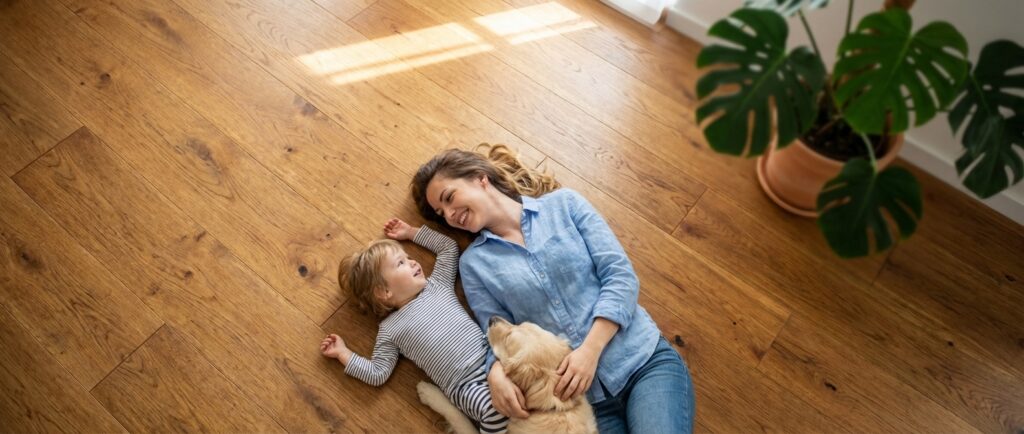
If you’ve been seeing timber flooring more on your feeds lately, you’re not imagining it. Timber is having a proper moment again in 2026, but not in the “one-size-fits-all grey plank” way we saw a few years back. This year, designers are leaning into warmth, texture, craftsmanship and timber floors that feel like they belong in the home, not just in a showroom.
The best part is that these timber flooring trends aren’t just pretty. A lot of them are practical too, especially if you’ve got kids, pets, open-plan living, or you simply want a floor that still looks good when life gets messy.
I share the biggest timber-floor trends showing up in 2026, with designer quotes and credible sources to back it all up. I’ll also share what each trend looks like in real homes, where it works best (kitchen, hallways, stairs, bedrooms), and the common mistakes to avoid.
Looking for more flooring trends for 2026? Check out our latest eBook: The 2026 Flooring and Window Furnishing Trends Report
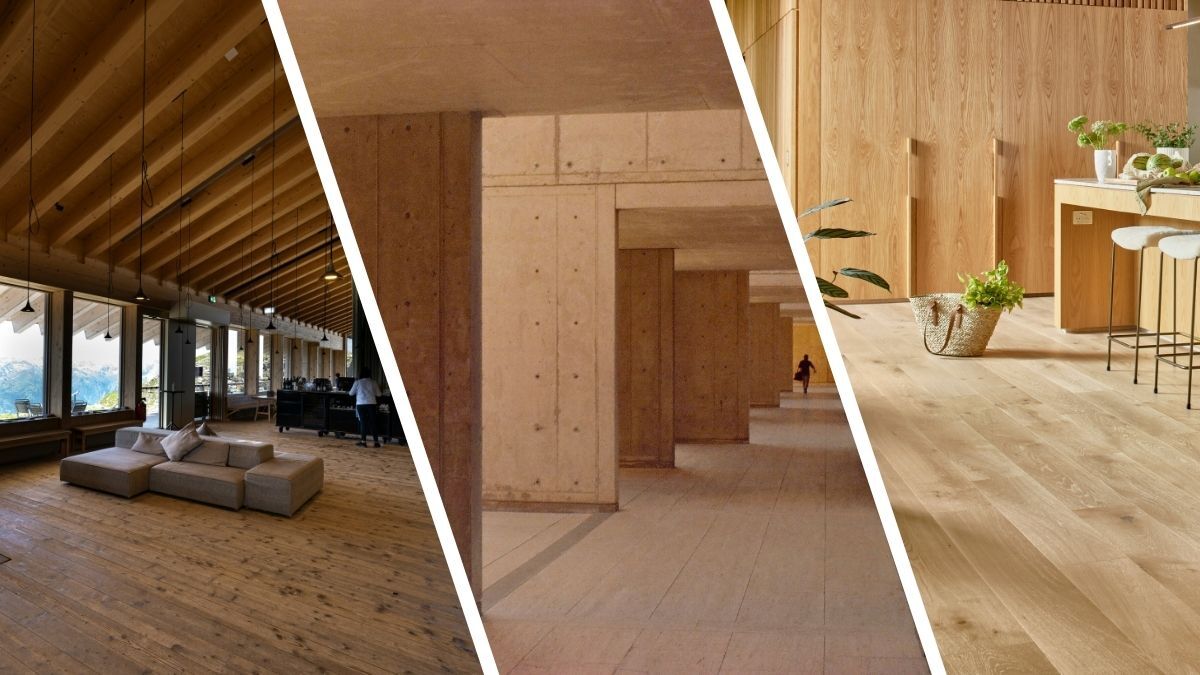
Timber flooring trends 2026 at a glance
-
Warm, natural timber tones (honey, mid-oak, walnut) replacing cool greys
-
Light warm oak and “soft Scandi” looks for brighter, calmer spaces
-
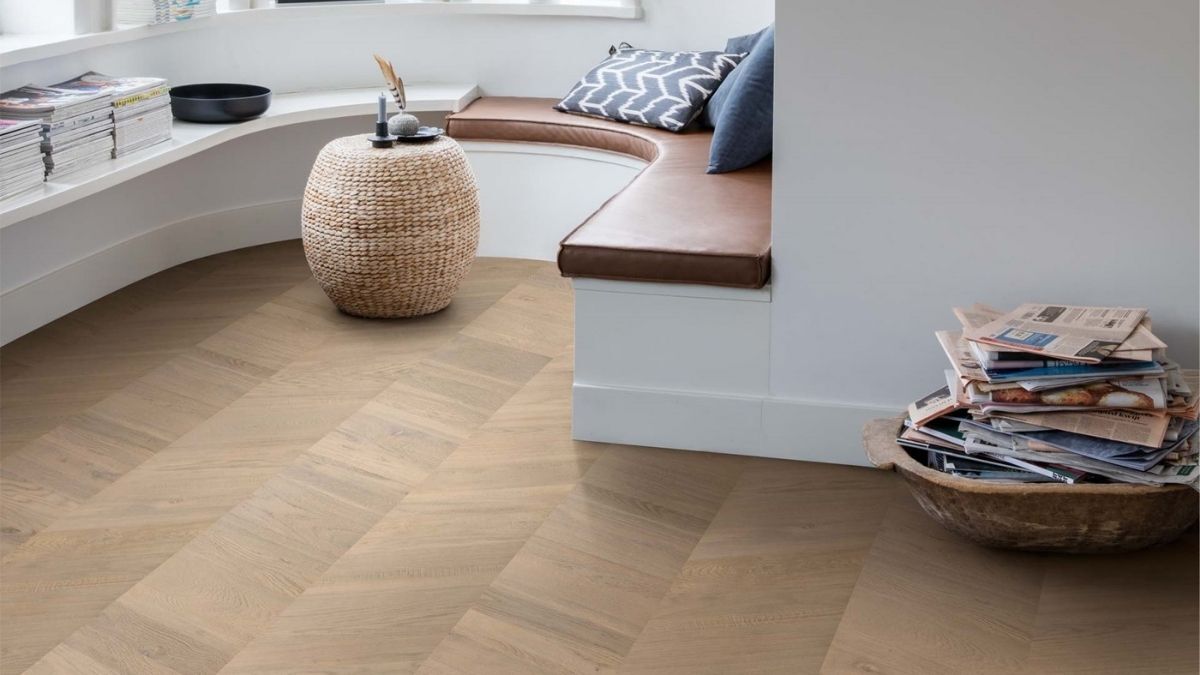
Herringbone and parquet patterns are returning for a designer feature moment
-
More texture and visible grain (character-rich boards that feel real)
-
Matte and satin finishes are becoming the default
-
Wide planks are still popular for open-plan homes
-
Patina and reclaimed-style vibes that age gracefully
-
Australian styling influencing choices (greens, warm neutrals, spotted gum moments)
Quick note: trends are great for inspiration, but timber floors are a long-term decision. The best trend is the one that suits your rooms, lifestyle and how you want your home to feel day to day.
On this page (Table of contents)
Warm timber tones are back: honey oak, mid-oak and walnut
Let’s start with the most obvious shift. Cooler grey floors are going out, and warmer, more natural timber tones are coming in.
Design firm founder Damla Turgut summed it up nicely when talking about what’s being left behind: “We’re seeing designers move back to honey, natural oak, toffee, and walnut.” The Spruce
Better Homes & Gardens backs that up with a similar 2026 forecast, noting that warm neutrals and natural tones are leading the palette shift, with “soft honeyed hues” and “mid-oak finishes” replacing cooler greys. Better Homes & Gardens
What this looks like in practice
-
Warm oak (not orange, not yellow, just warm)
-
Mid-tone browns that feel relaxed and liveable
-
Walnut-leaning stains in more classic or “moody” homes
-
A general move toward timber floors with variation and depth, rather than flat, uniform colouring
Where it works best
Living rooms, hallways, and bedrooms are the easiest wins. Warm timber helps a space feel calmer and more welcoming, especially when paired with warmer whites, clay tones, olive accents, and natural fabrics.
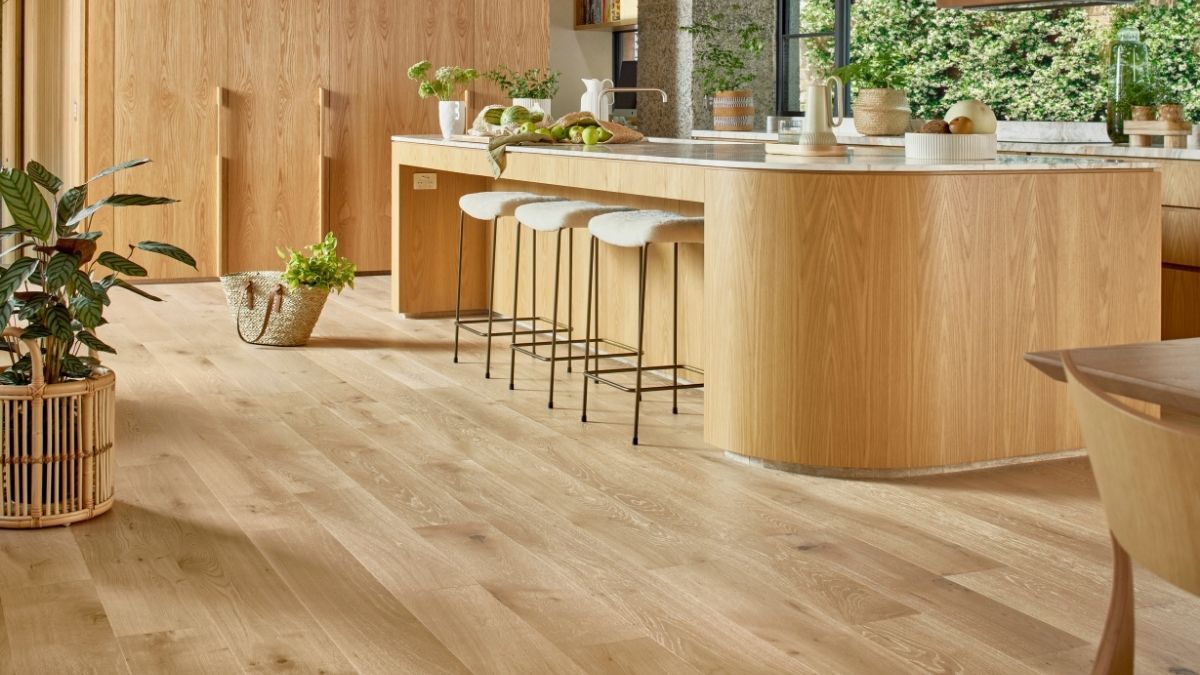
Light oak timber floors in 2026: soft Scandi and Japandi looks
Warm doesn’t always mean dark. Another clear direction in 2026 is light-but-warm timber, the kind that makes a home feel open and bright.
Livingetc’s flooring trend report says “experts agree that light, warm tones are set to dominate flooring trends in 2026.” Livingetc
In the same piece, wood flooring specialist Amanda Smith Corston predicts “more natural, warm, and inviting interiors defined by light, airy wood tones.” Livingetc
Why designers like it
Light, warm timber floors are forgiving and flexible. They work beautifully with the popular “Japandi” and relaxed coastal styles, but they also sit well in more classic homes if you balance them with richer textures.
Where it works best
Smaller spaces and darker homes in particular. Light timber bounces natural light around, which is handy in terraces and townhouses.
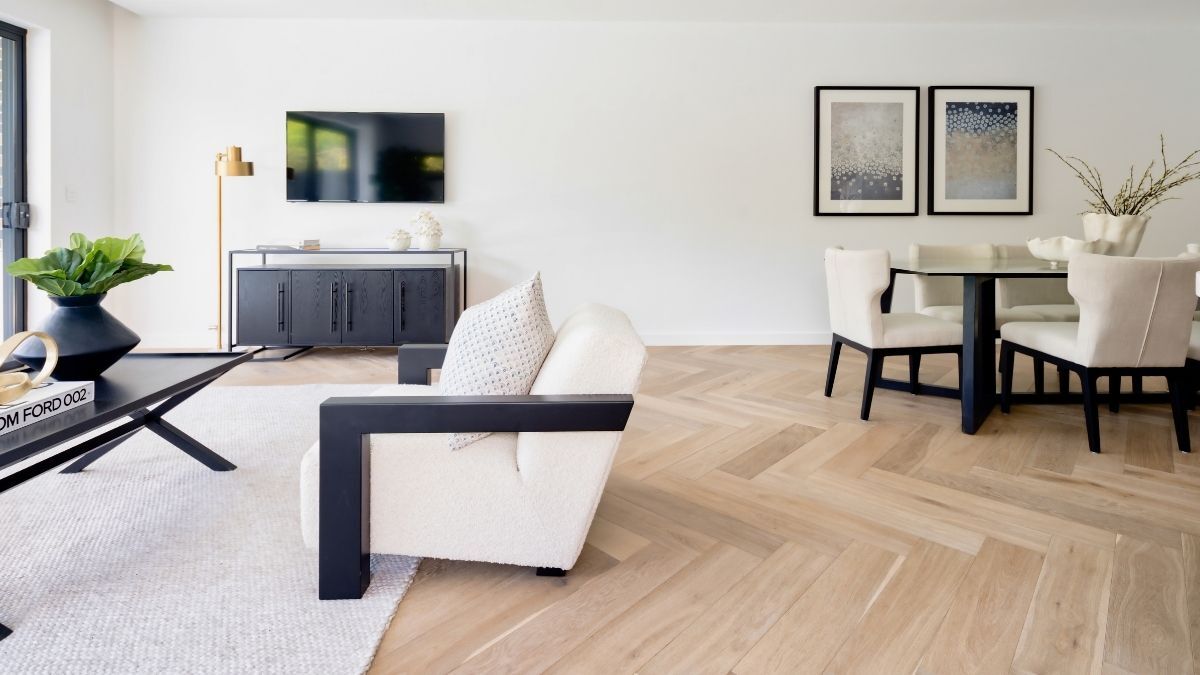
Herringbone and parquet timber flooring: the pattern trend for 2026
If you think you’ve been seeing more herringbone, parquetry and geometric timber patterns, you’re right. Pattern is one of the biggest design signals this year.
The Interiors Addict called out a “heritage revival” and said people are “rediscovering parquetry, herringbone flooring” in older homes. The Interiors Addict
The Spruce also quotes designer Katelyn Gilmour on the appeal, saying: “Wood herringbone plank flooring brings an incredible sense of vintage European character.” The Spruce
And if you want a very specific “designer-made” example, Livingetc shared a project where designer Diana Kadyrova explained: “We selected natural oak parquet… The true highlight… short planks arranged in square patterns.” Livingetc
What this looks like in real homes
-
Herringbone in entryways, hallways, and dining rooms
-
Parquet blocks in heritage homes (or homes trying to feel more “established”)
-
Geometric or square layouts using shorter planks for a contemporary twist
A smart way to use it
You don’t have to do patterned timber everywhere. Designers often use it as a feature zone so the home still feels cohesive and not visually busy.
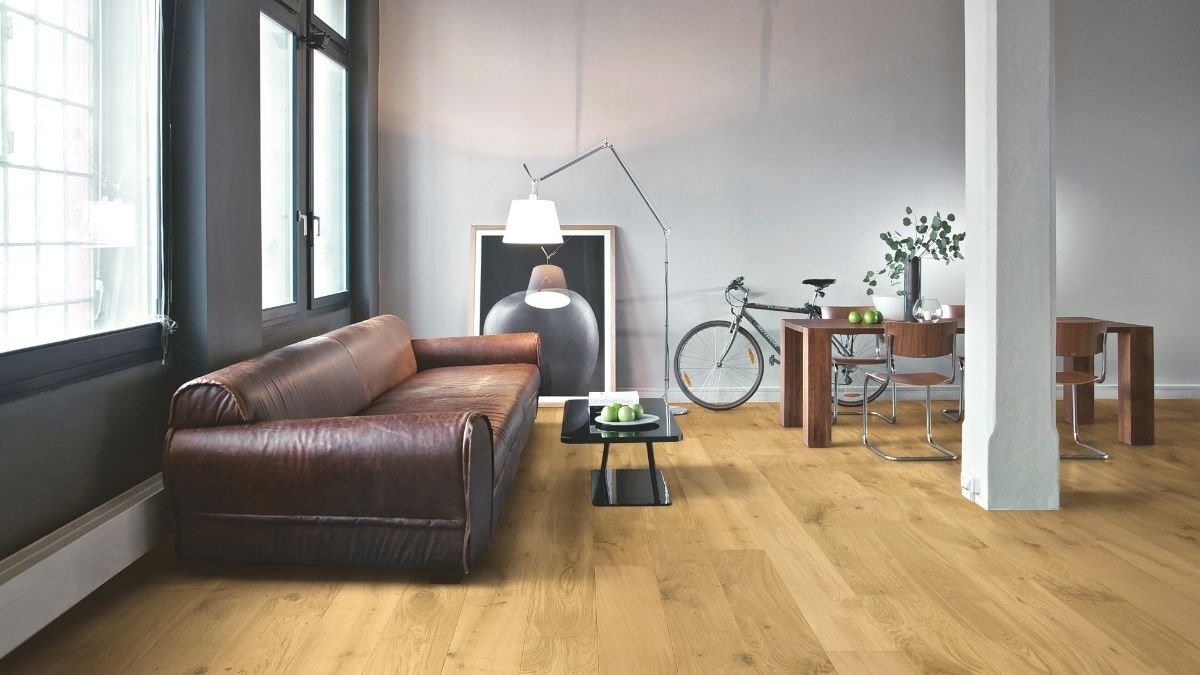
Textured timber flooring: more grain, more character, more depth
A big theme across 2026 is timber that feels tactile and real. Smooth, flat, perfect surfaces are giving way to brushed grains, visible variation and classic stains.
Houzz trend reporting, via Wood Floor Business, highlights rising interest in “textured wood floors and classic stains” and notes homeowners requesting “character-rich woods” that complement millwork and arched details. Wood Floor Business
Better Homes & Gardens also highlights the shift toward “tactile finishes and brushed grains” as part of 2026’s texture push. Better Homes & Gardens
Why this trend matters
Character and imperfections can mask the day-to-day damage flooring can sustain. A timber floor with natural variation and a bit of texture is often more visually forgiving than something ultra-uniform, especially in busy households.
Want to learn more about how materials and texture in your next design? Check out our article: Interior Design Materials: How to Use Timber, Concrete, Marble & More
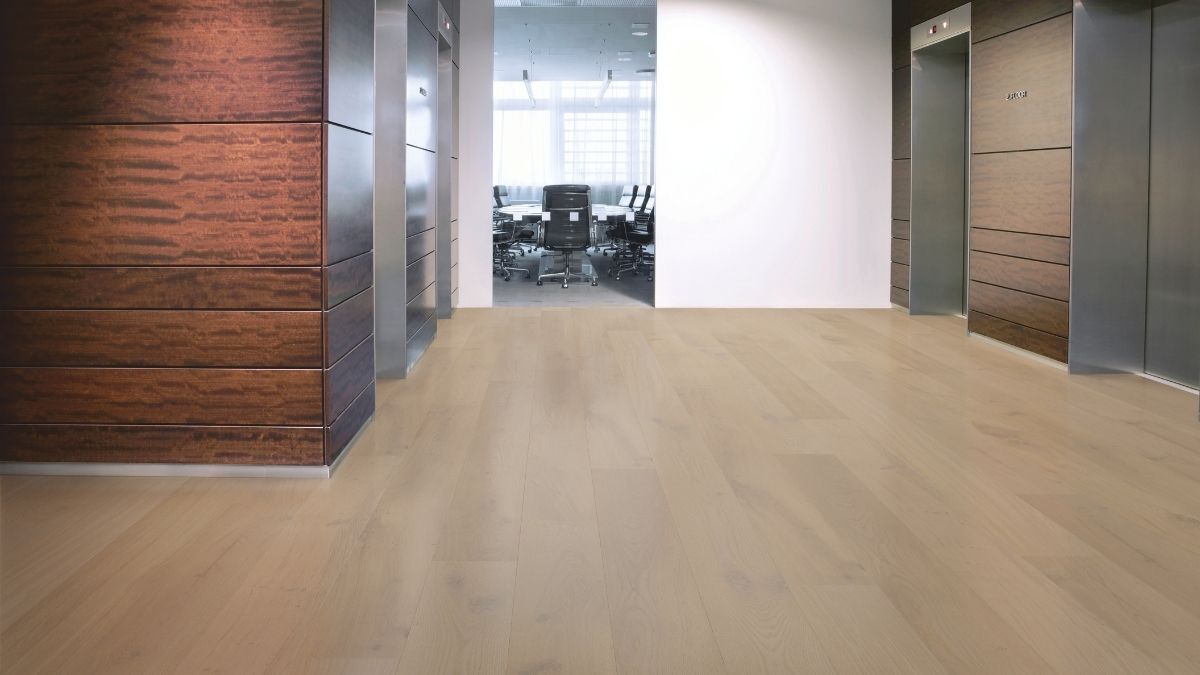
Matte vs satin timber floors: the finish trend designers prefer
If you’re still picturing glossy timber floors as the “premium” option, 2026 designers would like a word.
Damla Turgut points out that high-gloss flooring can feel more “show home” than “real home,” and that “Matte and honed finishes have a far more grounded, elegant look and feel.” The Spruce
Katelyn Gilmour adds a practical angle: shiny finishes show scratches and dust more readily than matte or satin finishes. The Spruce
What this means for timber flooring
Matte and satin finishes are popular because they look natural, feel modern, and are easier to live with. They’re also great for spaces where glare can be an issue.
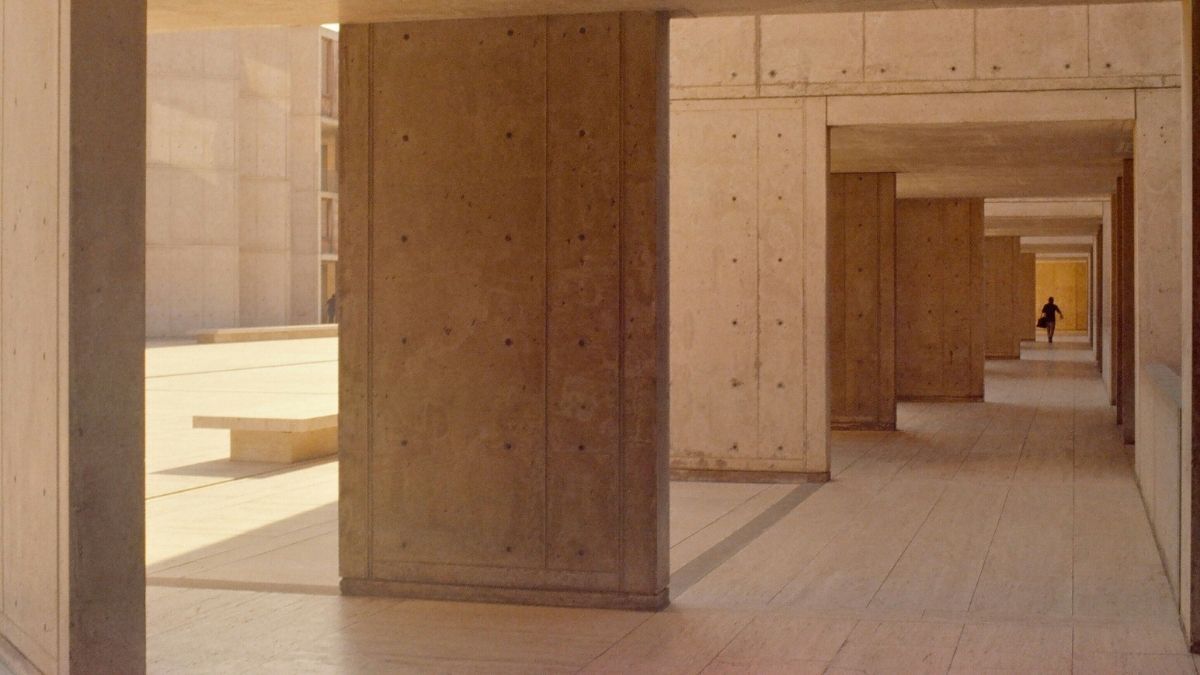
Wide plank timber flooring: still the go-to for open-plan homes
Wide planks aren’t new, but they’re not going anywhere in 2026 either.
The Spruce notes that wide-plank flooring is sticking around and highlights that fewer seams can reduce visual “noise.” The Spruce
Livingetc also mentions that “wide-plank wooden flooring works particularly well” in lighter tones for a seamless feel. Livingetc
Where wide planks shine
-
Open-plan living areas
-
Long hallways
-
Bedrooms (they make the room feel less “choppy”)
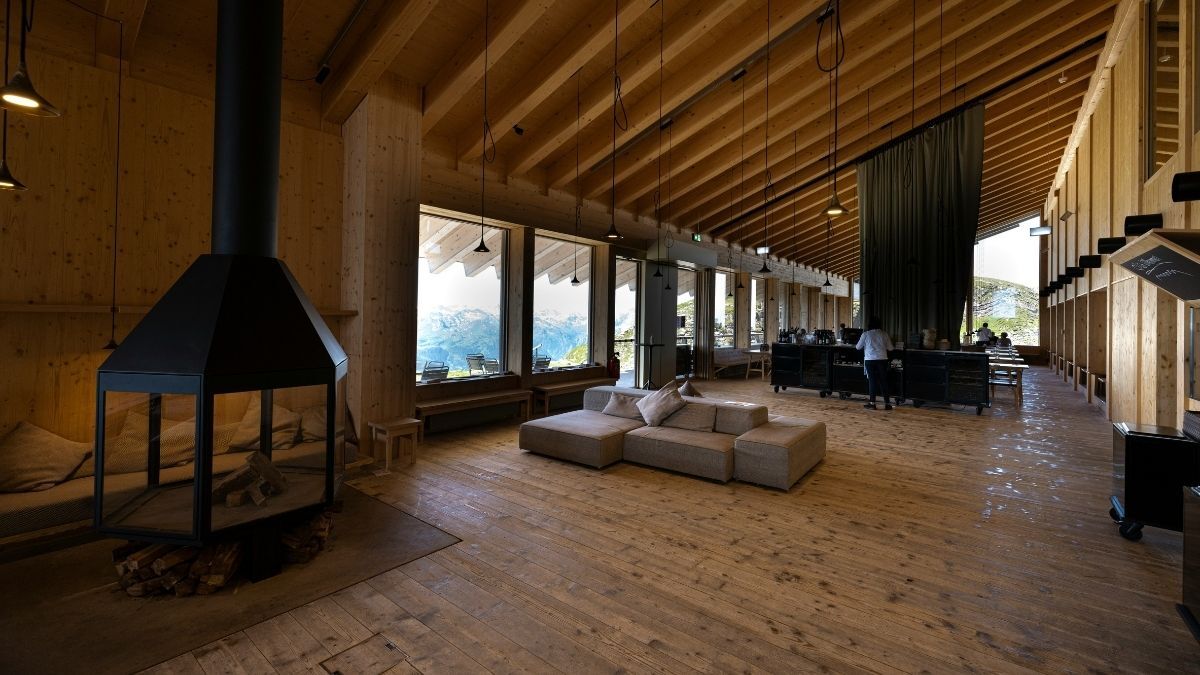
Patina and reclaimed-style timber floors: the “lived-in” trend
One of the more interesting 2026 shifts is emotional. People want homes that feel meaningful, not overly staged.
Nate Berkus described the broader mood as a return to “hand-finished woods… things that tell a story… Patina matters.” Homes and Gardens
That trend shows up in timber flooring through:
-
Natural variation
-
Finishes that age gracefully
-
Design choices that prioritise longevity over perfection
Australian timber flooring trends: local palettes and spotted gum
Because the team here at Floorworld is writing for Australians, it’s worth calling out a local reality.
What looks great in Melbourne might not be the same vibe as a bright coastal apartment on the Gold Coast.
Interior designer Georgina Redenbach talked about how trends shift by region, calling it “a national story, but told in very local ways.” The Interiors Addict
She also points out how colour pairings are influencing timber choices, noting green tones pair beautifully with timber grains, “especially spotted gum.” The Interiors Addict
What to take from that
In 2026, styling choices (wall colour, cabinetry, rugs) are driving timber selection more than ever. People aren’t just asking “what’s the best timber floor?”, they’re asking “what timber floors work with the whole mood of my home?”