


Approximate Reading Time: 5 Minutes
Carpet installation costs in Australia can vary significantly, and that’s exactly why many homeowners and businesses feel unsure when comparing quotes.
Unlike products with fixed price tags, carpet installation is site-specific. The final cost depends on your home, your carpet, your subfloor, and the work required to install it properly. That’s why two properties of similar size can receive very different installation estimates.
This guide explains what affects carpet installation costs in Australia, what’s typically included, what’s often excluded, and how to avoid the most common (and costly) mistakes without relying on misleading “average prices”.
If you want clarity rather than assumptions for your next floor reno, then this guide is for you.

Carpet installation costs in Australia (quick answer)
There’s no single standard cost for carpet installation in Australia, and understanding why helps make more confident decisions.
Installation costs vary because every home is different. Factors such as your carpet choice, subfloor condition, room layout, and preparation needs all influence how much work is involved to install your carpet properly.
These factors aren’t meant to complicate the process. They exist to ensure your carpet is installed safely, correctly, and built to last — which is exactly what professional installers focus on.
The type of carpet you choose and how it’s made
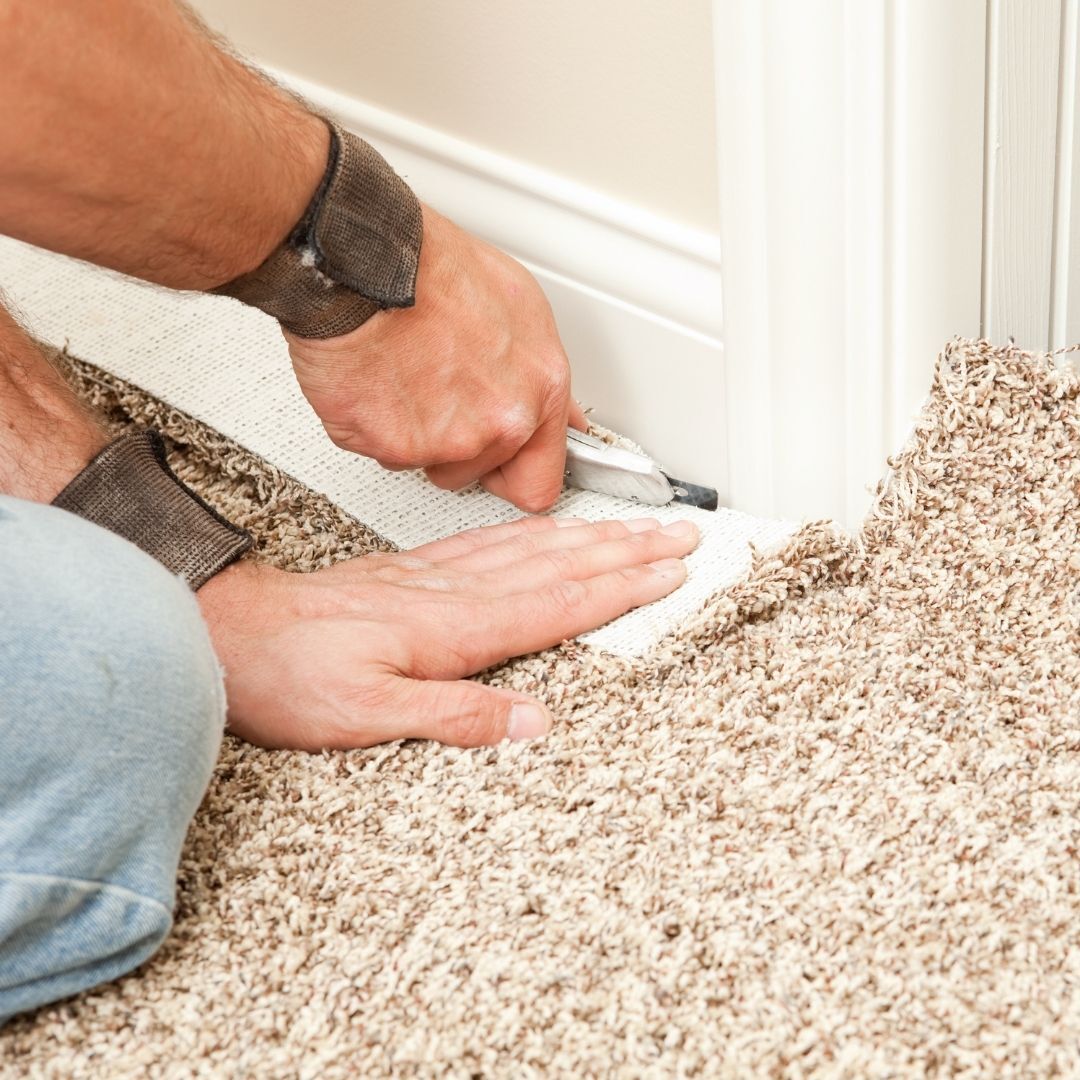
Not all carpets are installed the same way. Denser, heavier, or patterned carpets often require more time and precision, while simpler constructions are quicker to install.
Using the correct installation method for your specific carpet helps it look better, feel better underfoot, and perform well over time. This is why experienced flooring specialists always consider carpet construction before installation begins.
The subfloor type and condition of your existing floors
Your subfloor, the surface beneath your carpet, plays a major role in how well your carpet performs. Subfloors may be concrete, timber, or sheet flooring, and each behaves differently.
If a subfloor is uneven, damaged, or affected by moisture, it may need preparation before carpet is laid. Identifying this early helps prevent issues like rippling, movement, or premature wear, giving you peace of mind from day one.
Room layout, including stairs and access
Room shape affects installation time. Square rooms are quicker to install than long hallways, angled spaces, or open-plan areas with multiple joins. Stairs, in particular, require careful measuring, cutting, and finishing to achieve a neat and safe result.
An in-home measure allows installers to plan properly and deliver a cleaner, more professional finish.
Any preparation work required
Preparation is one of the most important and often overlooked steps in carpet installation. This can include removing old flooring, addressing minor subfloor issues, or selecting the correct underlay.
While preparation isn’t always visible once the carpet is laid, it has a big impact on how long your carpet lasts and how well it performs over time.
Location, timing, and installer availability
Installation requirements can also vary depending on where you live, the time of year, and installer availability. Seasonal demand and regional conditions influence how installations are scheduled.
This is where local knowledge matters. Floorworld’s locally owned stores work with experienced installers who understand Australian homes and conditions, helping ensure each installation is planned with care.
Why this matters
These factors aren’t obstacles; they’re part of ensuring your carpet is installed properly and performs as it should. That’s why professional installers rely on in-home measurements rather than quoting blindly per square metre.
Understanding what’s involved helps you compare quotes properly, ask the right questions, and avoid costly mistakes, which is exactly what the rest of this guide is designed to help you do.
Before diving deeper, here’s a quick snapshot of what matters most when it comes to carpet installation costs.
Quick summary: Key takeaways on Carpet installation costs
- Carpet installation pricing in Australia is not fixed or standardised.
- Subfloor condition is one of the biggest drivers of installation complexity.
- Stairs and non-standard layouts increase labour requirements.
- Underlay choice affects installation method and warranty compliance.
- Cheaper quotes often exclude preparation or finishing work.
- A detailed in-home measure is the only reliable way to estimate cost.
Understanding these key points helps explain why carpet installation costs can vary so much from one home to another.
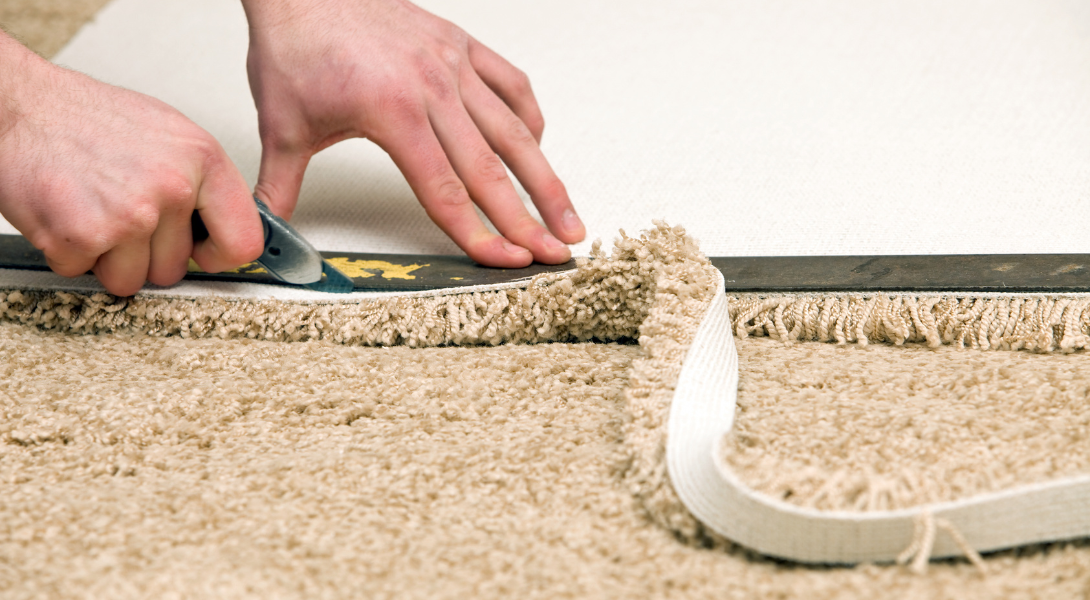
Why carpet installation costs vary so much in Australia
Many online articles publish “average” installation prices. While these can be useful as a rough reference, they rarely reflect real-world installations.
Australian homes vary widely in:
-
Age and construction method
-
Subfloor materials
-
Room shapes and access
-
Renovation history
Professional installers price based on time, complexity, and risk, not just floor size. This ensures the carpet is installed correctly and performs as intended over the long term.
Let’s look more closely at the specific factors installers assess when quoting a carpet installation.
Key factors that affect carpet installation costs
Rather than focusing on dollar figures, it’s more useful to understand what actually influences installation cost. These are the specific factors installers assess during an in-home measure, and why two homes of similar size can receive very different installation quotes.
1. Type of carpet being installed
Different carpets require different installation techniques.
For example:
- Dense loop piles and commercial carpets take longer to stretch
- Patterned carpets require precise seam alignment
- Heavier carpets are more labour-intensive to handle
- The carpet you choose directly affects installation time and complexity.
This is often the first thing installers consider when assessing labour time.
2. Subfloor type and condition
Subfloor preparation is one of the most overlooked cost factors.
Common subfloors include:
- Concrete slabs
- Timber floors
- Particleboard or sheet flooring
Additional work may be required if the subfloor is:
- Uneven or damaged
- Noisy or loose
- Moisture-affected
Preparation takes time, and time affects cost. Subfloor condition is one of the most common reasons installation scopes change after a site visit.
3. Room size, shape & layout
Simple, square rooms are faster to install than:
- Long hallways
- Irregular or angled rooms
- Open-plan spaces with multiple seams
More cutting increases labour requirements.
4. Stairs and multi-level homes
Stairs are one of the most labour-intensive parts of carpet installation.
Each stair requires:
- Individual measuring and cutting
- Secure fixing
- Neat edge finishing
Split-level homes also increase handling and access time. This is why stairs are often discussed separately during quoting.
5. Removal of existing flooring
Installation costs may increase if existing flooring needs removal.
Factors include:
- carpet vs hard flooring removal
- Staples, glue, or adhesive residue
- Disposal requirements
Removal is not always included in basic installation quotes.
6. Underlay selection
Underlay plays a critical role in comfort, durability, and warranty compliance.
Different underlay may require:
- Additional fixing
- Compatibility checks
- Extra trimming and handling
Incorrect underlay can shorten carpet lifespan and void warranties.
7. Location, timing & installer availability
Installation costs may vary depending on:
- State or regional location
- Seasonal demand (busy renovation periods)
- Installer availability
These factors affect scheduling and labour allocation.
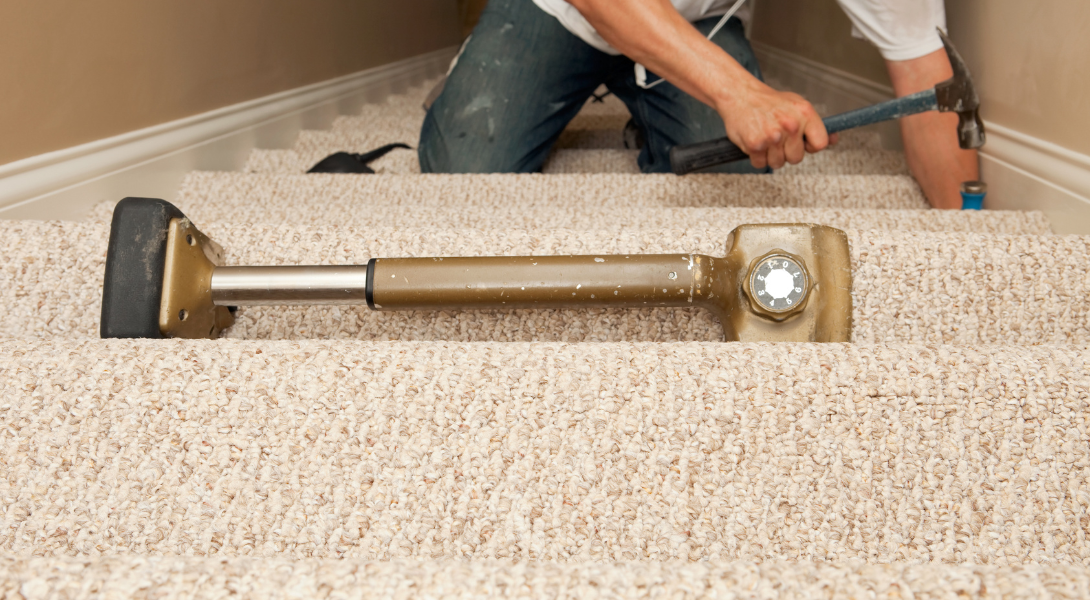
What’s usually included and what often isn’t
Understanding what’s included in a carpet installation quote helps avoid confusion and ensures everyone is on the same page from the start.
Professional installers don’t leave things out to be difficult; they separate tasks, so your quote accurately reflects what your home actually needs, rather than relying on assumptions.
What’s typically included in carpet installation
In most standard installations, quotes will usually cover:
-
Carpet laying
-
Proper stretching and trimming
-
Basic edge finishing for a neat result
These are the core steps required to install carpet correctly and safely in a typical space.
What may be assessed separately (and why)
Some aspects of installation depend entirely on your home’s condition and layout. Rather than guessing, experienced installers assess these during an in-home measure and discuss them upfront.
These can include:
-
Subfloor repairs or levelling, if the surface isn’t suitable.
-
Removal and disposal of existing flooring.
-
Stair installation requires additional labour and finishing.
-
Furniture moving, depending on access and timing.
-
Moisture barriers or treatments, where required.
-
Pattern matching or complex seams for certain carpet styles.
Separating these items isn’t about adding surprises; it’s about ensuring the work is done properly and that you’re only paying for what’s actually required.
Why this approach benefits you
Clear inclusions protect you from:
-
Unexpected costs later.
-
Installation shortcuts.
-
Warranty issues caused by skipped preparation.
By confirming what’s included during an in-home measure, you get a clearer picture of the scope of work and greater confidence in the final result.
At Floorworld, this transparent approach helps customers make informed decisions with no pressure and no assumptions.
A simple tip
Always ask what’s included in your quote and why. A professional installer will be happy to explain, and clarity at the start leads to a smoother installation experience.
Common carpet installation mistakes that cost more later
Many installation issues don’t appear immediately; they develop over time, often because key steps were missed during