

Pros and Cons of Laminate Flooring: The Practical Aussie Guide

Updated:
Published:
Laminate flooring is one of those options that just makes sense for a lot of homes. It gives you a timber-style look, it’s generally more budget-friendly than hardwood, and it suits the day-to-day chaos of real life.
Still, like most things, it’s not all perfect, and it’s not right for every room. If you’re here because you’re weighing up the pros and cons of laminate flooring, I’ll walk you through the good, the bad, and what matters when you’re living with it.
This guide covers the real-world benefits of laminate flooring, the most common disadvantages of laminate flooring, along with a room-by-room cheat sheet so you can choose with confidence.
Quick key takeaways
- Laminate flooring is great value if you want a timber look without a timber price tag.
- It’s usually quick to install and easy to keep clean with a simple routine.
- Water is the main concern. Many modern options offer better water resistance than older laminates, but wet areas still need careful product selection.
- Underlay and subfloor prep matter a lot for sound, comfort, and long-term performance.
- If you want a floor that can be sanded and refinished later, consider timber flooring.
Table of Contents
- What is laminate flooring, and is it right for you?
- Insights from the floorworld showroom floor
- Benefits of laminate flooring
- Disadvantages of laminate flooring
- Room by room laminate recommendations
- Mistakes to avoid + Buying checklist
- Frequently asked questions
What is laminate flooring?
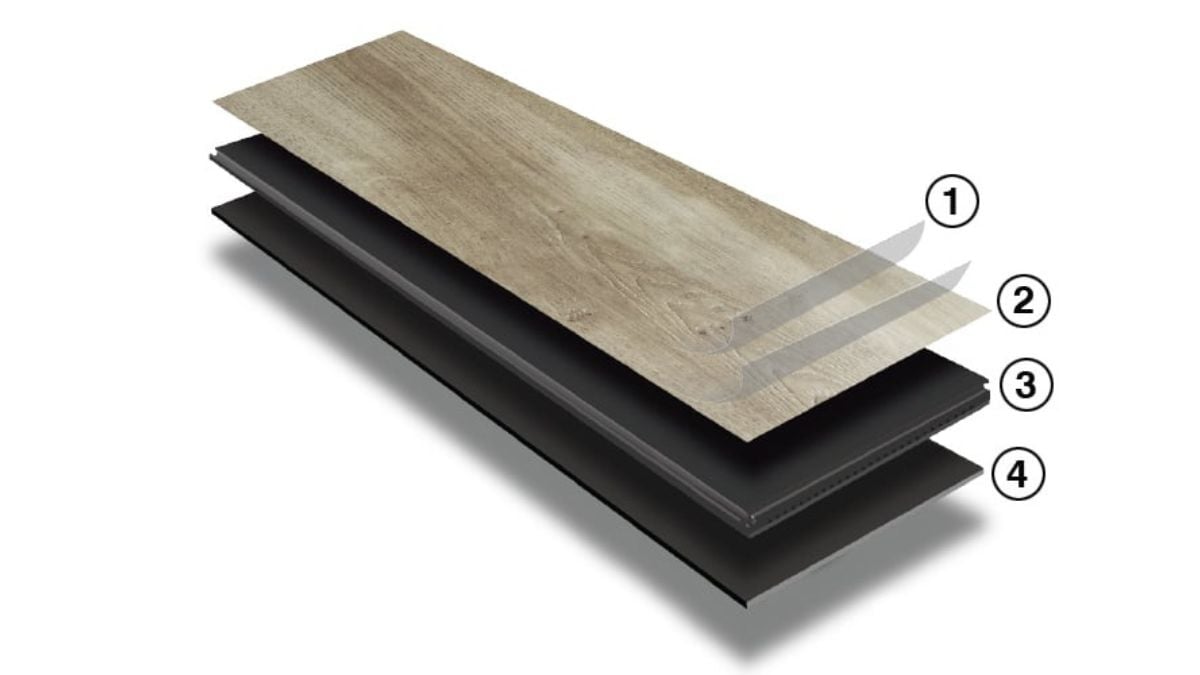
Laminate flooring is a layered product designed to mimic timber (and sometimes tile or stone looks). Most laminate planks include:
- A tough wear layer on top (protective coating)
- A printed decor layer (this is where you get oak looks, grey tones, lighter whites, and more)
- A dense core board for structure and stability
- A backing layer to help the plank hold steady
Modern laminate has come a long way. With the right colour and finish, it can look impressively close to timber, especially in wider plank styles and matte finishes.
Is laminate flooring right for you?
If you want a quick “gut check” before diving into details, here it is.
Laminate flooring is a great fit if you:
- Want a timber-style look at a reasonable cost.
- Need something easy for regular cleaning (vacuum + damp mop)
- Have a busy household with kids and pets, and want a durable everyday floor.
- Are flooring living areas, bedrooms, hallways, or a home office
- Want a faster install compared with some other floor types.
You might choose another flooring type if you:
- Need true waterproof performance in wet rooms
- Expect frequent standing water (bathrooms, laundries)
- Want a floor you can sand and refinish later
- Have subfloor issues (movement, major uneven areas)
From the showroom floor: what our team sees (and what customers often get wrong)
To make this more useful than the average “pros and cons” list, I spoke with Floorworld store owners about what they see in real projects, real homes, and real customer questions.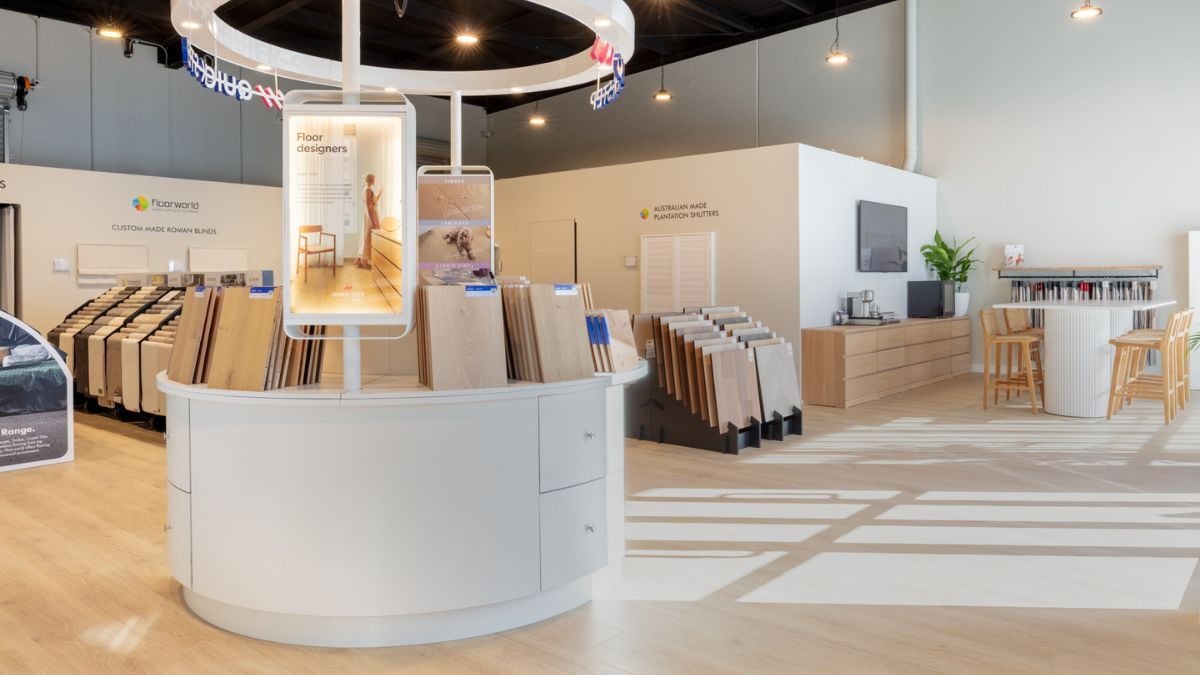
The biggest misconception: “Laminate is waterproof”
This is the number one expectation gap. Laminate flooring can definitely handle water and everyday spills, but it’s not waterproof in the same way vinyl flooring can be. If you wipe spills up quickly, you’re usually fine. If water sits, or moisture repeatedly gets into joins over time, that’s when issues can start.
Cleaning tip: With laminate, less is more. You want a well-wrung mop, not a soaking wet one. With vinyl and hybrid, you can get away with a much wetter clean. With laminate, flooding the floor during cleaning can cause long-term damage.
For a complete care and maintenance guide for your floors, check out our Floorworld Essentials Series: Flooring Care and Maintenance Guide.
Laminate often has the strongest surface of hard flooring options.
One of the big positives that doesn’t get said enough is the surface toughness. Compared with other hard flooring options like vinyl, hybrid and timber, laminate generally has one of the strongest surface layers. That’s a big reason it’s a popular choice for busy homes.
No flooring is perfect (and laminate can still move)
This one surprises people. Even when there’s not much use, laminate floorboards can still move slightly over time. A store owner mentioned seeing examples where a property wasn’t lived in, and the laminate still shifted.
That doesn’t automatically mean something has “gone wrong”. Floating floors can respond to temperature, humidity, and installation conditions. It’s also why good prep and correct installation details matter.
Click install is a win… until you need to replace a plank.
Click systems make installation faster and cleaner. The downside is that if you ever need to replace a damaged board later, it can be harder than people expect. With many click systems, you often need to work back from the nearest wall or expansion point, rather than swapping a single plank in the middle.
12mm vs 8mm: it’s about feel and install conditions, not durability
A lot of customers assume 12mm is automatically more durable than 8mm, but thickness isn’t the main driver of durability.
Here’s the more useful way to think about it:
- 12mm often feels more solid underfoot and can sound more acoustically “solid”, which is why some store owners recommend it upstairs or on a second storey.
- 8mm can be the better choice if you’re installing over existing flooring, because it can help keep transitions neater and create a cleaner finish.
Underlay is worth it on all laminates.
This one was clear, underlay is recommended for all laminate flooring. It impacts comfort, sound, and how the floor performs over time.
AC3 vs AC4: useful info, but mostly a commercial conversation
Wear ratings like AC3 and AC4 come up a lot. Yes, AC4 is more durable, but for customers, the point was simple: the real “need” for AC4 usually shows up at a commercial level, not most residential homes.
For households, choosing the right product for the room and installing it properly tends to matter more.
Over timber floors, laminate is often the safer long-term pick
If you’re installing over a timber subfloor, choose laminate over vinyl or hybrid in many cases. The reasoning is that laminate tends to feel more solid and sturdy over timber, and can hold together better long-term, causing fewer problems down the track.
Benefits of laminate flooring
1. Great style for the price
One of the biggest benefits of laminate flooring is value. If you love the look of wood flooring but don’t want the price tag (or the maintenance) of hardwood, laminate can hit a sweet spot.
Style-wise, you’ve got options. Think classic oak, modern grey, lighter “beachy” tones, and patterns that mimic herringbone looks. The range of finishes makes it easy to match your flooring to your walls, cabinetry, and overall vibe.
2. Faster installation (with fewer headaches)
Most laminate is designed with a click system, which can make it quicker to lay and less disruptive than some alternatives. It also means the finish can look very clean when the prep is right.
A few installation details that make a big difference:
- A quality underlay helps with comfort and sound.
- Over concrete, moisture protection matters.
- Doorways and transitions often need trims and a transit strip.
- Leaving the correct expansion space helps prevent gaps and edge issues later.
3. Easy cleaning and low maintenance
Laminate is a popular choice because it’s fairly low-fuss:
- Vacuum or sweep to remove debris and grit
- Use a lightly damp mop (not soaking)
- Choose a laminate-safe cleaner when needed.
A small habit that pays off: treat dirt like sandpaper. The more you keep it off the floor, the longer the surface stays looking fresh.
4. Tough enough for everyday living
Laminate is designed to handle foot traffic, which is why it’s common in hallways and living zones. For most households, it stands up well to the daily shuffle of kids, guests, and general wear.
If you’ve got pets, laminate can still work nicely, just be smart with prevention:
- Keep nails trimmed
- Use entry mats
- Add felt pads under chairs and furniture
5. Comfortable underfoot with the right underlay
Laminate generally feels warmer than tile and can be more comfortable for daily living. Underlay choice can also reduce noise and improve that “solid underfoot” feel, especially in open-plan homes.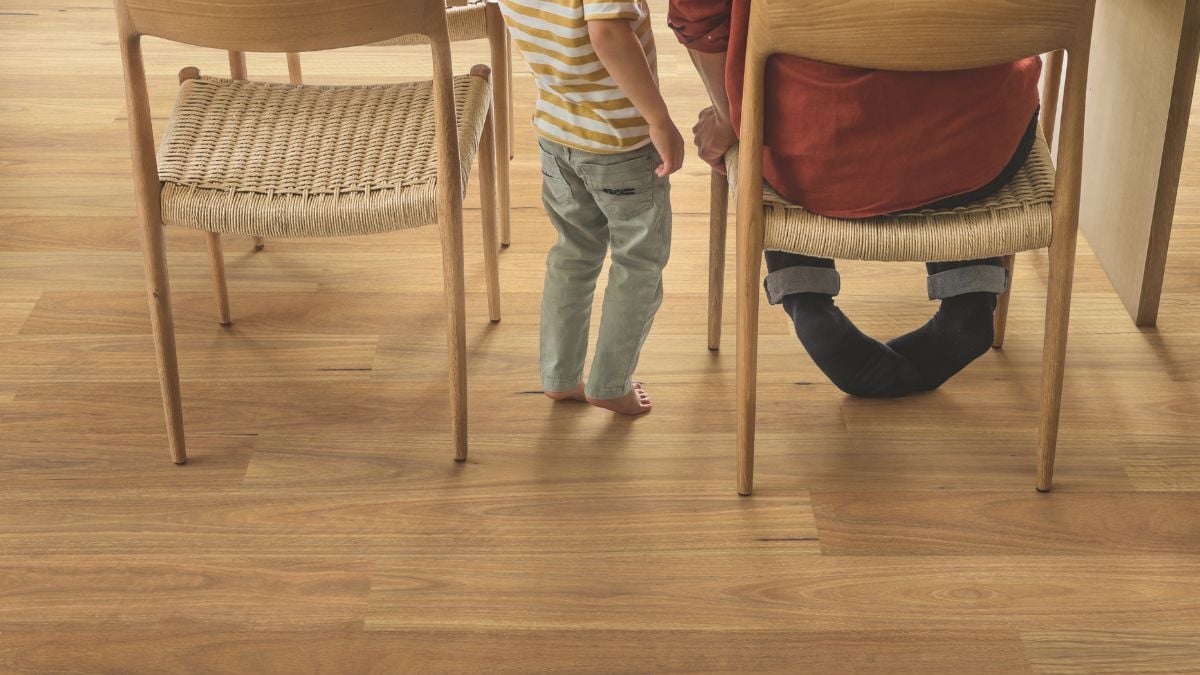
Disadvantages of laminate flooring (the honest side)
1. Water resistance has limits
This is the main drawback and the reason people sometimes get caught out.
Many newer products have improved water resistance, which helps with everyday spills if you wipe them up quickly. But laminate isn’t automatically the best choice for areas that stay wet or where water frequently sits.
Also worth saying clearly, laminate can handle water, but it’s not waterproof in the same way vinyl and hybrid flooring can be.
If you’re considering laminate flooring in the kitchen, it can work well if:
- You pick a product designed for better water resistance
- You wipe spills quickly
- You avoid over-wetting during cleaning (wring the mop well)
For bathrooms and laundries, it’s usually smarter to consider other flooring types designed for constant moisture.
2. It can sound hollow or tappy
Because laminate is a floating floor it can sound “tappy” or feel slightly bouncy.
This is one of those things you don’t notice in a showroom sample, but you definitely notice once it’s installed across a whole home.
3. Scratches happen, and repairs can be annoying
Laminate is durable, but not scratch-proof. Dragging furniture, dirt under shoes, and pets can leave marks.
Minor marks may be repaired, but significant damage often requires plank replacement rather than sanding. If you love the idea of refinishing a floor years later, laminate might not suit your long-term plan.
4. You can’t refinish it like real timber
Laminate can’t be sanded and refinished because the “timber look” is a printed decorative layer. Timber and some engineered timber products can often be refreshed; laminate is more of a replace-when-it's-done option.
5. Stairs need extra care
Laminate can look great on stairs, but it needs the right accessories and a proper installation. Stairs take heavy impact and safety matters, so this is not the place to rush or cut corners.
Room-by-room guide: where laminate flooring works best
Living rooms + hallways
These are the laminate’s comfort zone. You get the timber look, durability, and easy cleaning. Great for high traffic.
Bedrooms
Laminate works well in bedrooms if you want a clean, low-maintenance look. Add a rug for warmth and softness.
Kitchens
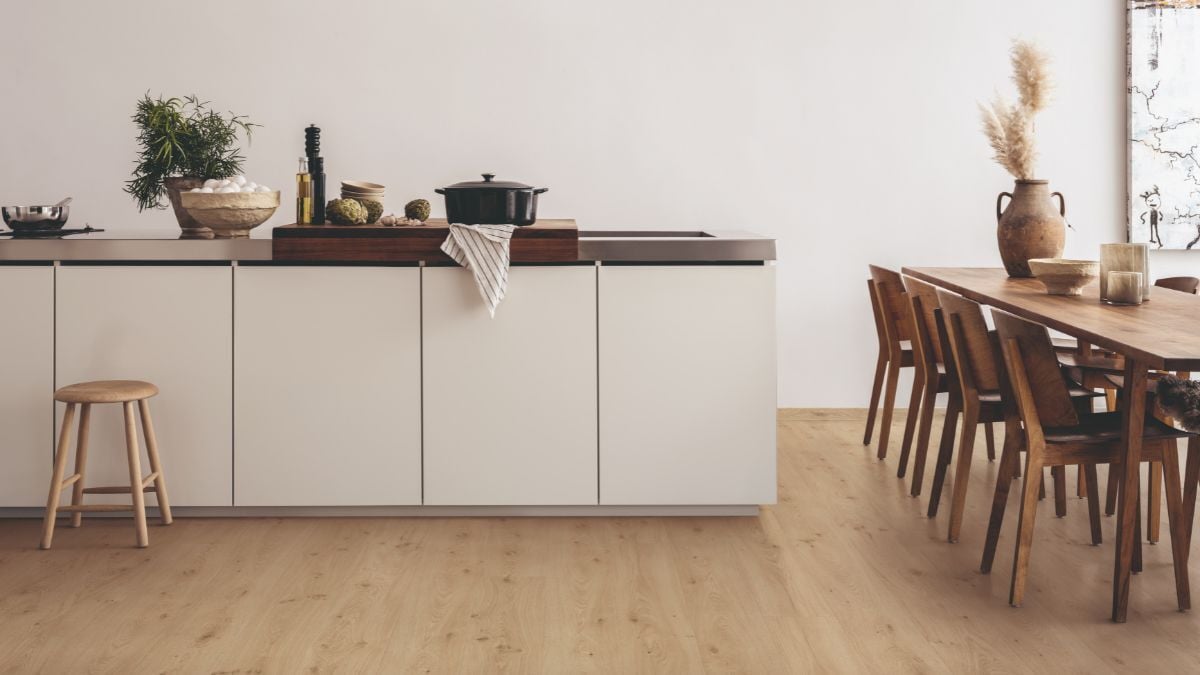
Laminate can suit kitchens if you choose a product built for better water resistance and keep spills under control. The biggest wins here are quick wipe-down habits and not soaking the floor when mopping.
Stairs
Possible, but do it properly. Stairs need correct nosings, clean edges, and a secure finish.
Mistakes to avoid before you install laminate flooring
These are the common ones that lead to frustration later:
- Skipping underlay advice: underlay affects sound, comfort, and performance.
- Failing to manage moisture on concrete can lead to long-term problems.
- Over-wetting during cleaning: A damp mop is enough for most homes.
- Dragging furniture: Use felt pads and lift heavy items when possible.
- Ignoring transitions: Trims and a transit strip in the right places prevent movement and edge issues.
Buying checklist: what to look for
When you’re choosing laminate flooring, don’t just pick the prettiest sample.
- Thickness (8mm vs 12mm): mostly about underfoot feel, acoustics, and install conditions, not durability
- Water resistance: check product-specific details and room suitability
- Plank style: plank size, colour (oak, grey, lighter tones), and finish
- Underlay compatibility: choose the right match
- Your home’s “hot spots”: entryways, kitchen zones, stairs, and pets
- Wear rating (AC3 vs AC4): AC4 is tougher, but most homes don’t need it
At Floorworld, you’ll see trusted brands like Quick-Step and Godfrey Hirst, Australian Select Timbers, Clever Choice, Clix, and Signature. The best choice comes down to your room type and how you actually live in the space.
FAQs: pros and cons of laminate flooring
Is laminate flooring waterproof?
Some laminate flooring is designed with improved water resistance, but not all laminate is truly waterproof. Laminate performs best when spills are wiped quickly, and it’s not always ideal for constantly wet rooms.
Can I use a steam mop on laminate flooring?
Usually, it’s safer to avoid steam cleaning altogether. A damp mop and the right cleaner are typically recommended for laminate flooring.
What’s the best way to clean laminate flooring?
Regular vacuuming or sweeping, plus a lightly damp mop, is usually enough. Avoid soaking the surface and use a laminate-safe cleaner if needed.
How long does laminate flooring last?
It depends on product quality, thickness, and foot traffic. With correct installation and sensible care, laminate flooring can last many years in a family home.
Is laminate flooring better than timber?
They’re different. Timber has a natural surface and can often be refinished. Laminate is typically more budget-friendly, easier to maintain, and offers a wide range of looks. The better choice depends on your rooms and lifestyle.
